Body hair and waxing have shifted in meaning through history. Art shows how beauty, identity, and symbolism evolved from Antiquity to today. Sometimes it’s seen as strength or purity, sometimes as sin or scandal, and sometimes simply as a beauty trend. Art captures all these contradictions, and that’s what makes its story so fascinating. So let’s take a little journey through time and see how human hair shaped identity, beauty, belief, and controversy from Antiquity to today.
Body hair is part of everyday life, but in art it’s often hidden, erased, or given a symbolic meaning that tells us far more about society than about real bodies. In Antiquity, hair could be a sign of power. In the Middle Ages, it could be a sign of sin. In the Renaissance, it became scientific curiosity. And in the 19th and 20th centuries, it sparked some of the biggest artistic scandals ever seen. So how did the way we trim, grow, or show our hair help define who we are? Let’s dive in.
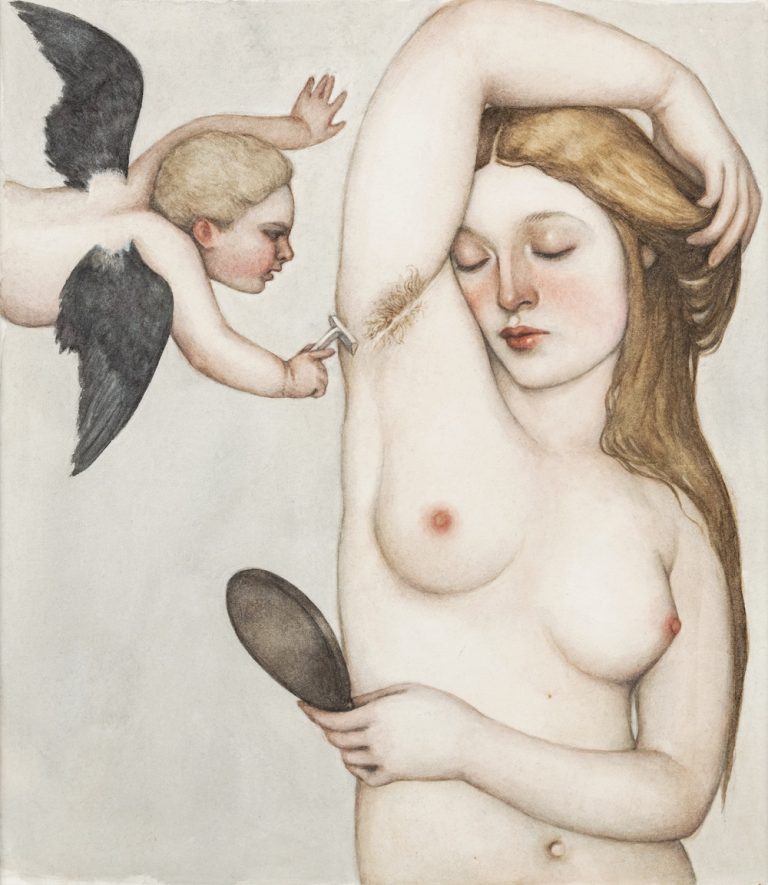
Mykola Tolmachev/Nikolaï Tolmatchev, A Graceful Cherub Delicately Plucking the Armpit of an Enticing Venus in the Mirror, 2013
ANCIENT BEGINNINGS
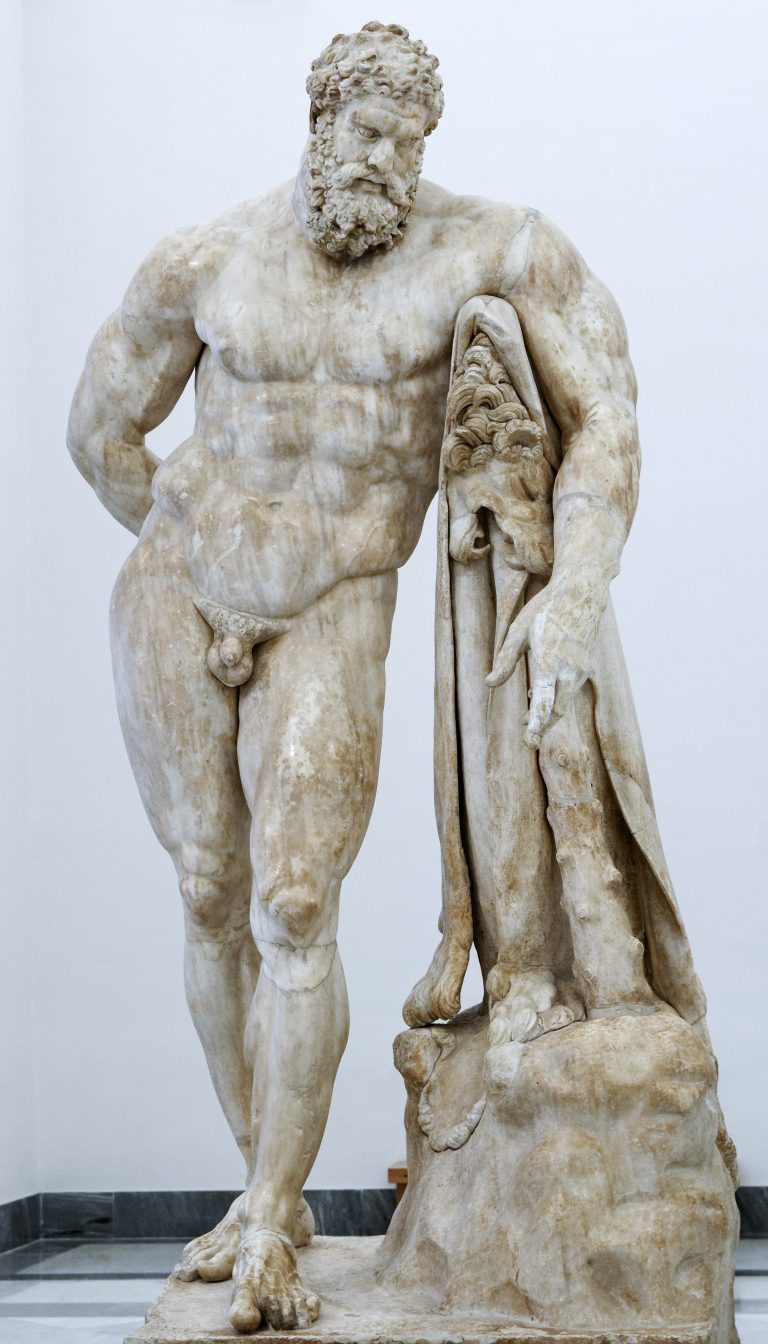
In the ancient Western world, hair was strongly connected to masculinity. The beard symbolized strength, wisdom, and dignity. Greek gods and heroes wore beards proudly. In Hebrew culture, cutting someone’s beard was considered an act of humiliation.
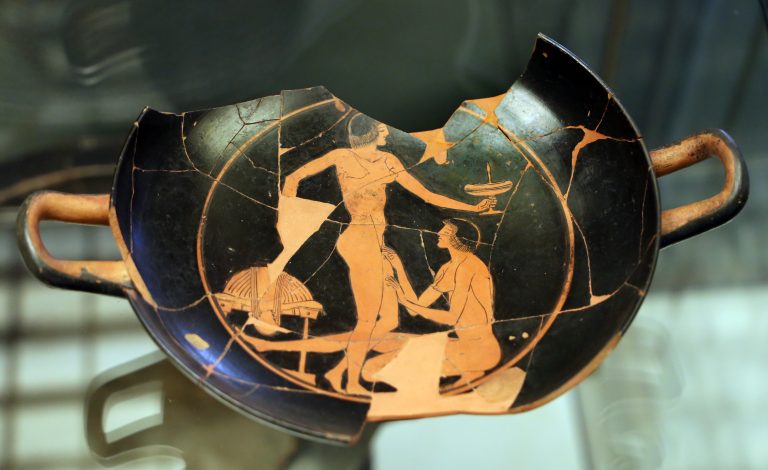
But even back then, people were already fighting a war on hair. Egyptians, Greeks, and Romans practiced regular body hair removal, seen as refinement and cleanliness. Both men and women used tweezers, pumice stones, and early depilatory creams. Still, women removed more than men.
Glycon of Athens, Farnese Hercules, 3rd c. CE
Apollodorus (attr.), red-figure kylix depicting a woman grooming another one, c.490-480 BCE
Meanwhile, the Eastern world didn’t always view female hair negatively. Deities like Ishtar or the Bearded Venus of Cyprus show us that bearded women could represent power rather than shame.
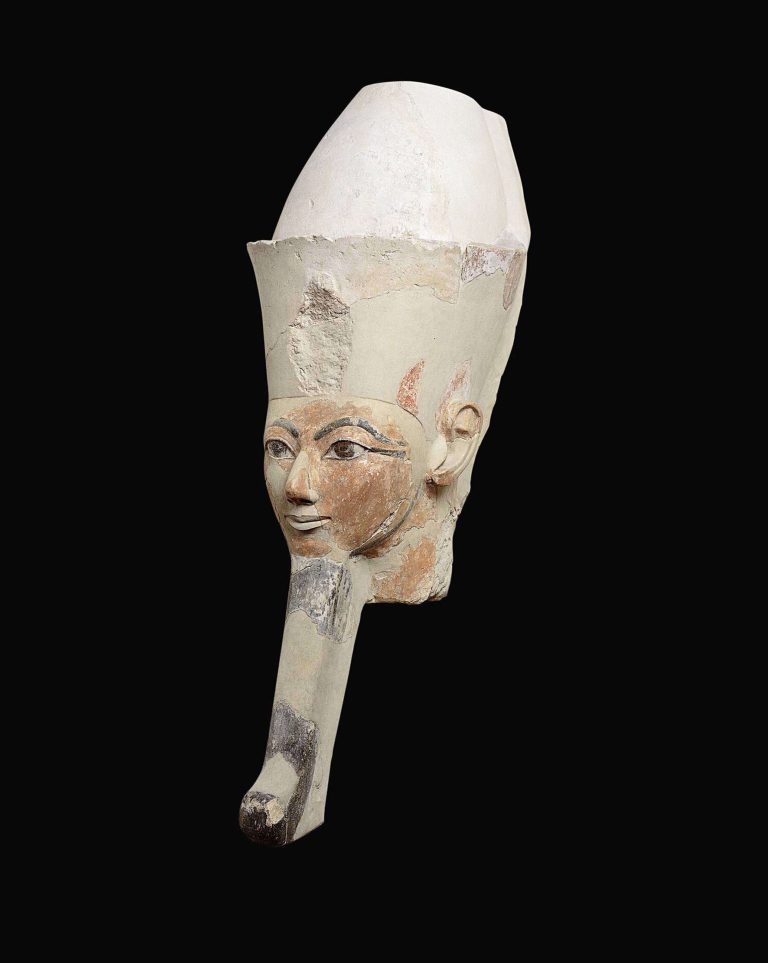
Egypt is a great example: the beard was a royal symbol. Pharaohs wore false beards during ceremonies, and Queen Hatshepsut adopted one to assert her legitimacy as ruler. But in the Western tradition, female facial hair was quickly tied to immoral instincts due to ancient medical theories linking hair to sexuality. More hair meant more desire, especially in women.
Anonymous, Colossal head of Queen Hatshepsut, c.1479-1457 BCE
MIDDLE AGES: MODESTY, SIN, AND A FEW HOLY EXCEPTIONS
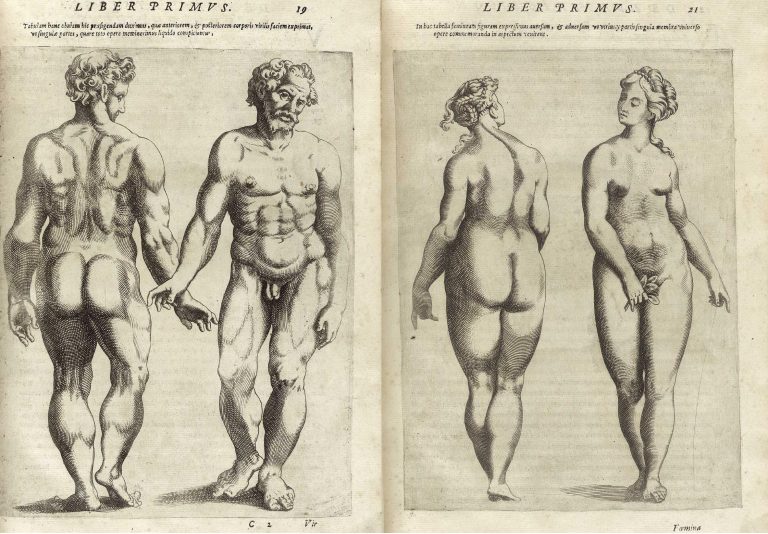
With Christianity shaping European culture, the birth of a hairy or bearded woman was often interpreted as divine punishment. Writers like Giambattista Della Porta reinforced these ideas, describing bearded women as omens of disaster. Charming, right?
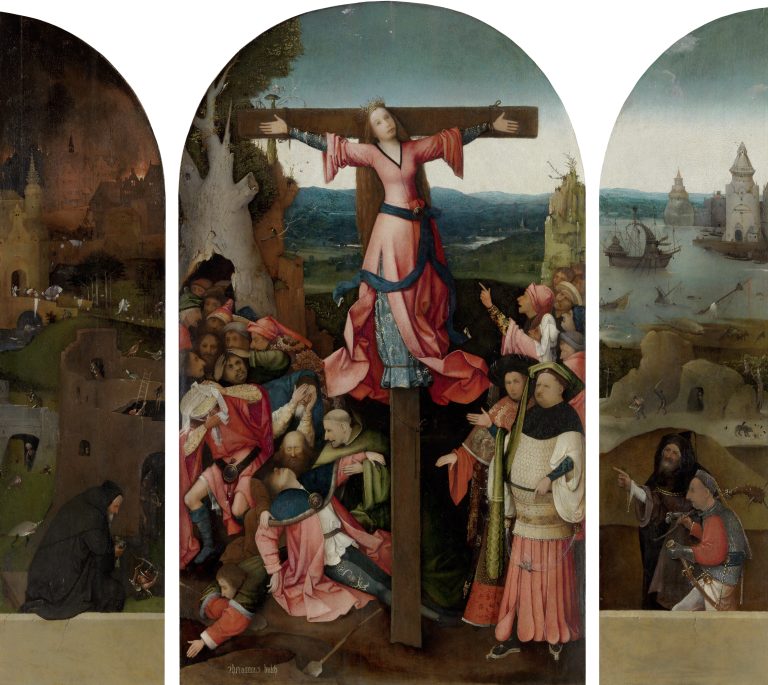
Yet some figures flipped the narrative. Saint Wilgefortis, for example, miraculously grew a beard to escape an unwanted marriage and devote herself to God. Her beard became a symbol of holiness, not sin, even though her story ends tragically on a cross.
Hieronymus Bosch, The Crucifixion of Saint Wilgefortis, 1497-1505
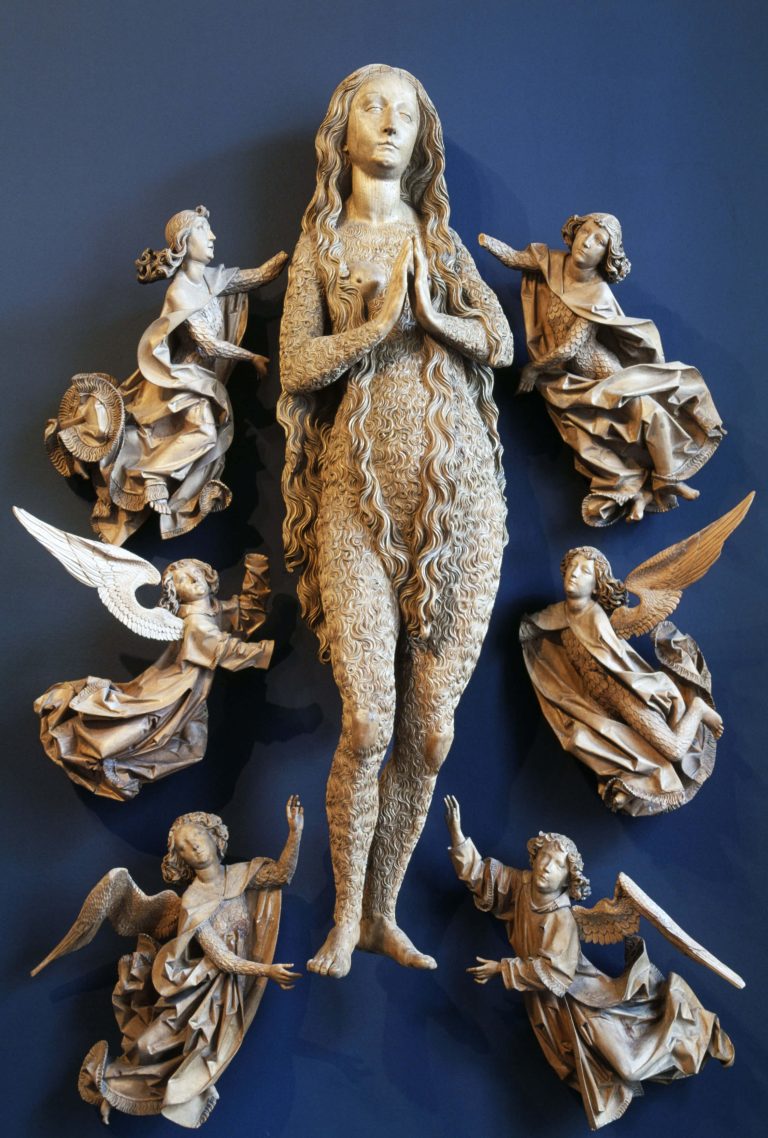
Mary Magdalene also became a major figure in medieval art. Artists often covered her nudity with a flowing mass of hair, turning it into a symbol of modesty, repentance, and her controversial past.
Tilman Riemenschneider, Mary Magdalene surrounded by angels, 1490-1492
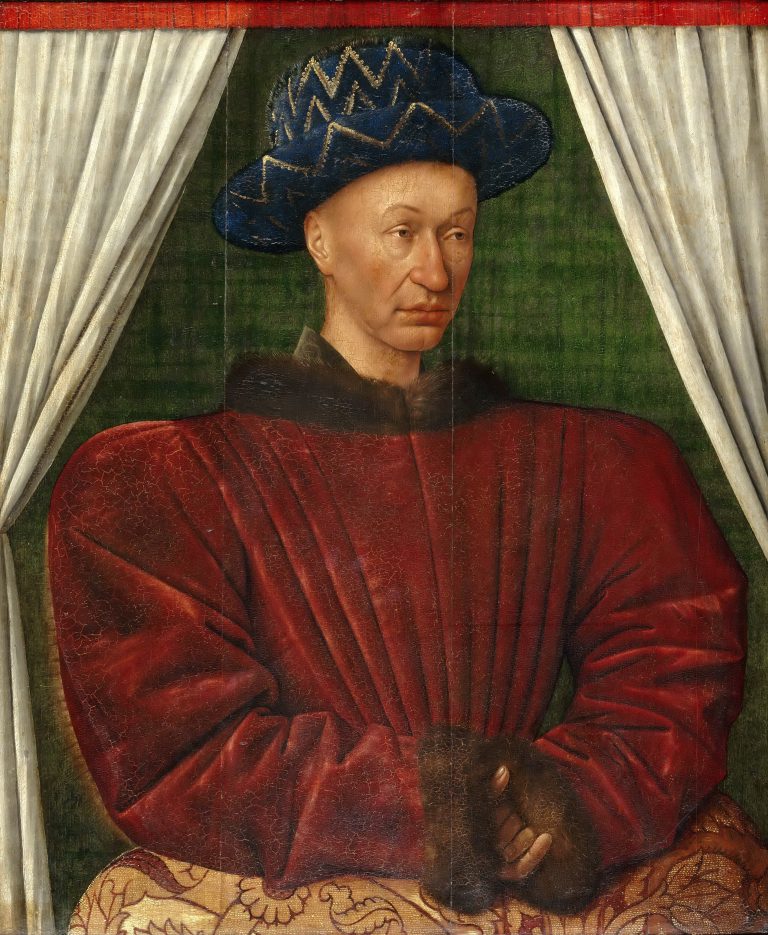
At the same time, male grooming evolved too. Early medieval men often wore beards, but by the late Middle Ages, a clean-shaven face became fashionable, partly because cheek hair was associated with non-Christians and mourners. So even grooming habits became cultural markers.
Jean Fouquet, Portrait of Charles VII of France, c.1445-1450
RENAISSANCE: HUMANISM, SCIENCE, AND NEW CURIOSITIES
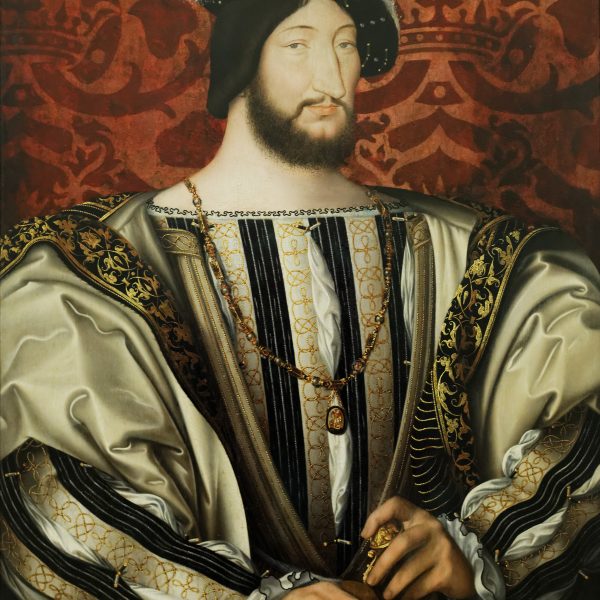
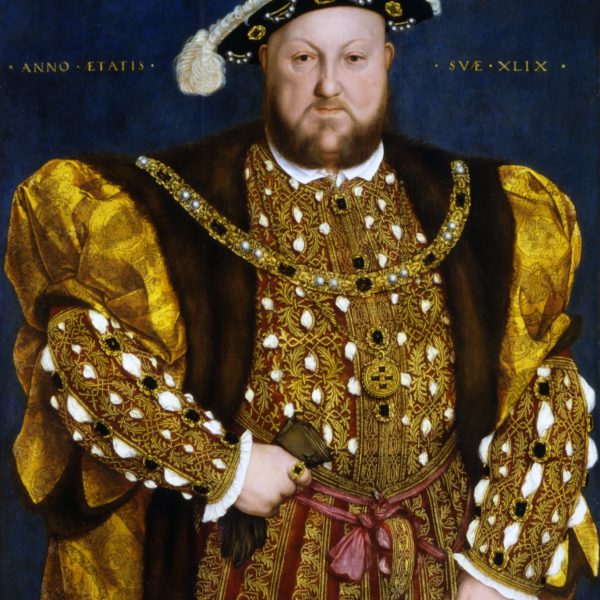
In the 14th and 15th centuries, beards came back into fashion for men. Kings like François I, Henry VIII, and Charles V proudly wore them. Baldassare Castiglione even advised courtiers to adopt short hair and a beard to embody the ideal modern man.
Jean Clouet, Francis I of France, c.1530
Hans Holbein the Younger, Portrait of Henry VIII, c. 1540–1547
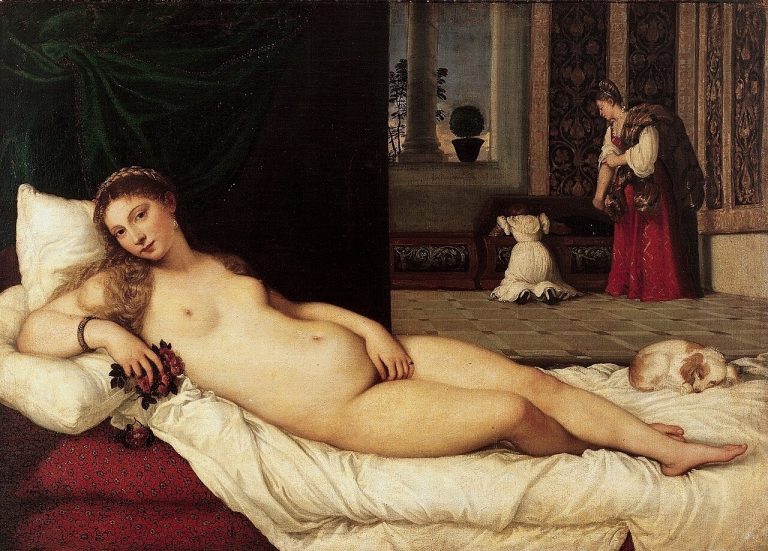
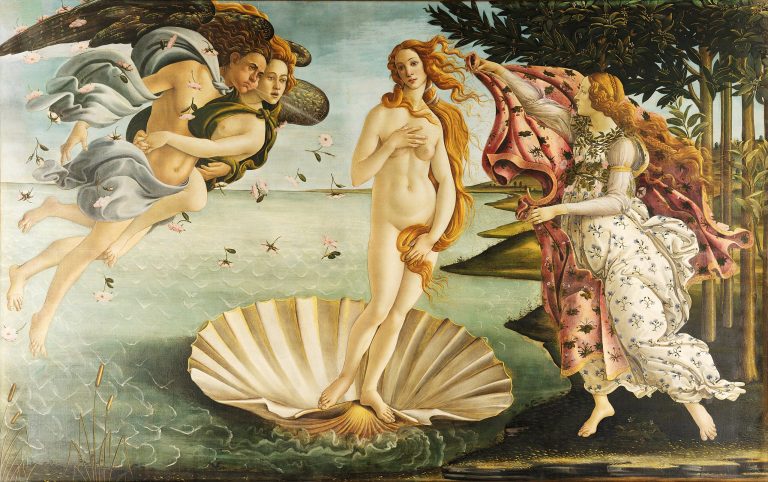
Women, however, were portrayed hairless. Venus was almost always shown perfectly smooth, except in rare cases like Titian’s Venus of Urbino, where natural pubic hair is visible.
Titian, Venus of Urbino, 1538
Sandro Botticelli, The Birth of Venus, c.1485
The Renaissance also shifted the perception of unusual body hair thanks to humanist thinking. Instead of interpreting hairy women as monsters, scholars became curious. Printing spread new images, and science gradually replaced superstition.
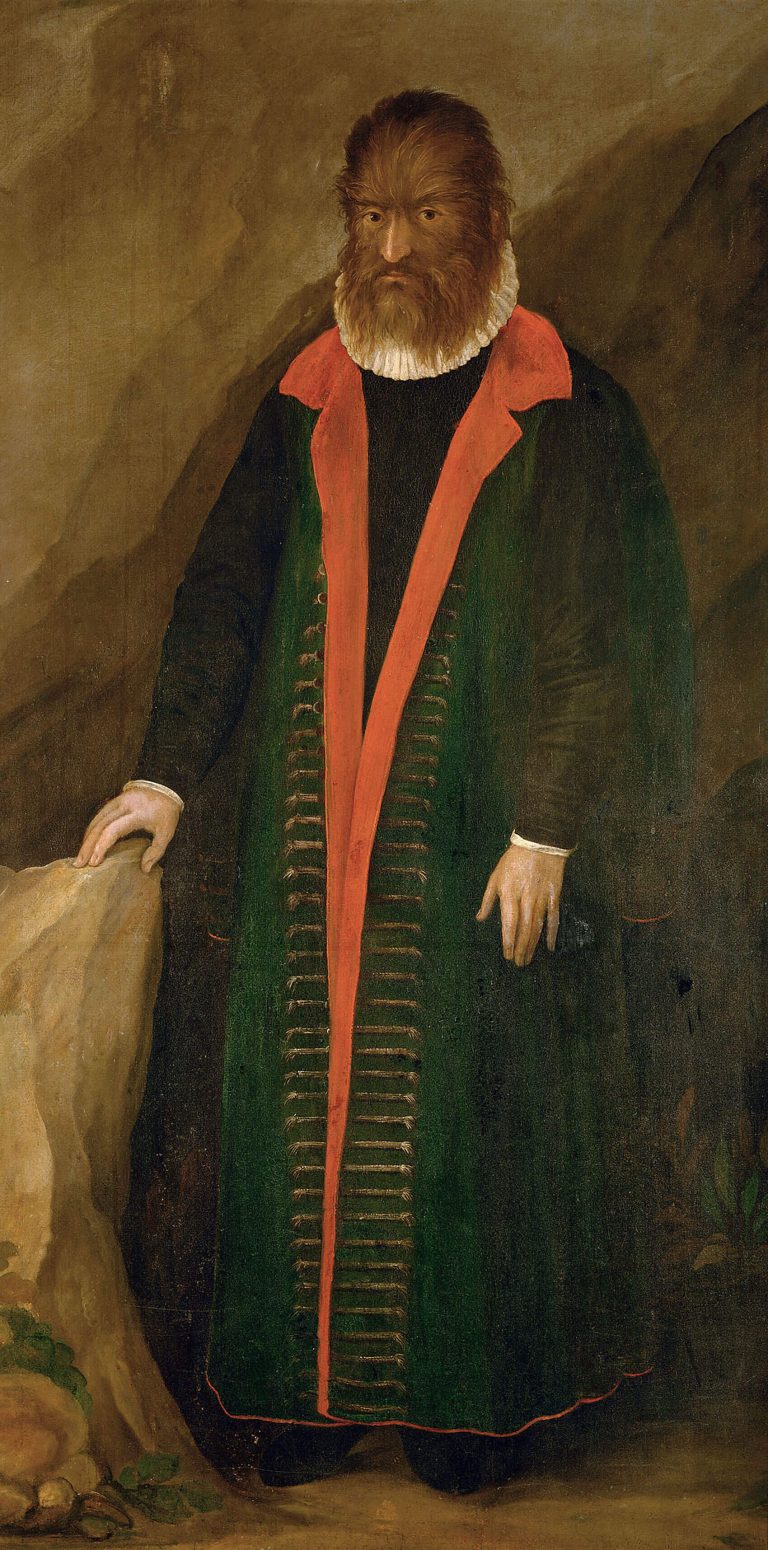
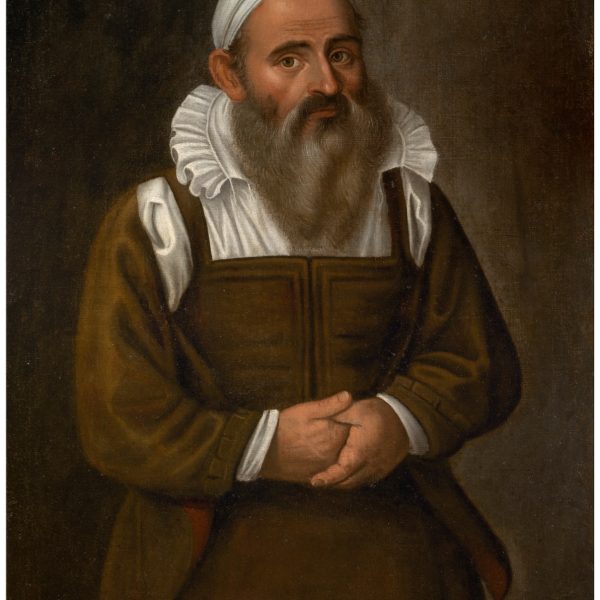
Petrus Gonsalvus, a man with hypertrichosis, became famous across European courts. He married, had children, and became a symbol of how curiosity slowly replaced fear or moral judgment.
Anonymous, Portrait of Petrus Gonsalvus, c.1580
Still, old prejudices lingered. Writers like Della Porta continued to portray bearded women as dangerous or monstrous, even while pretending to study them scientifically.
Anatomical Illustrations in Giambattista Della Porta, De Humana Physiognomonia, 1586
17TH AND 18TH CENTURIES: ART AND COURTLY BEAUTY
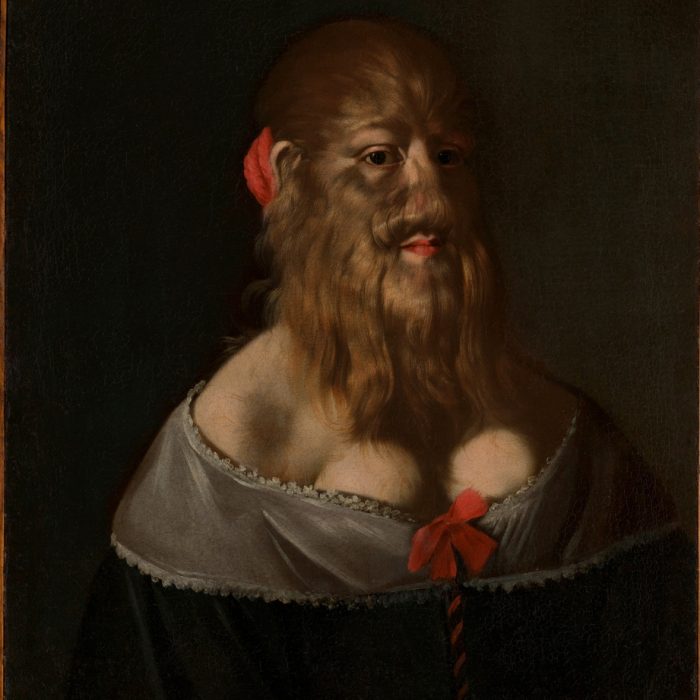
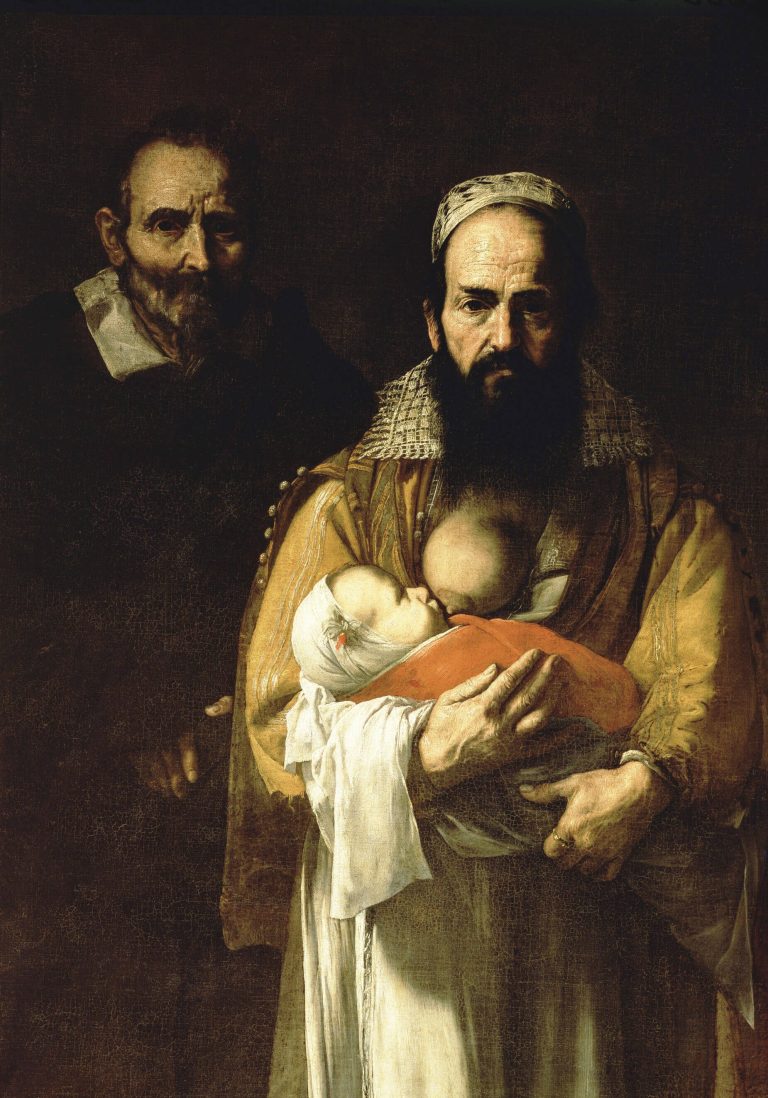
During this period, bearded women began appearing in formal portraiture, especially in the context of cabinets of curiosity. Artists portrayed women like Brígida del Río or Magdalena Ventura with dignity, avoiding mockery or eroticization. Their portraits are striking, direct, and surprisingly modern in their honesty.
Giovanni Francesco Guerrieri (attr.), Barbara van Beck, c.1650
Juan Sánchez Cotán, Brígida del Río, the Bearded Lady of Peñaranda, 1590
Jusepe de Ribera, Magdalena Ventura with Her Husband and Son, 1631
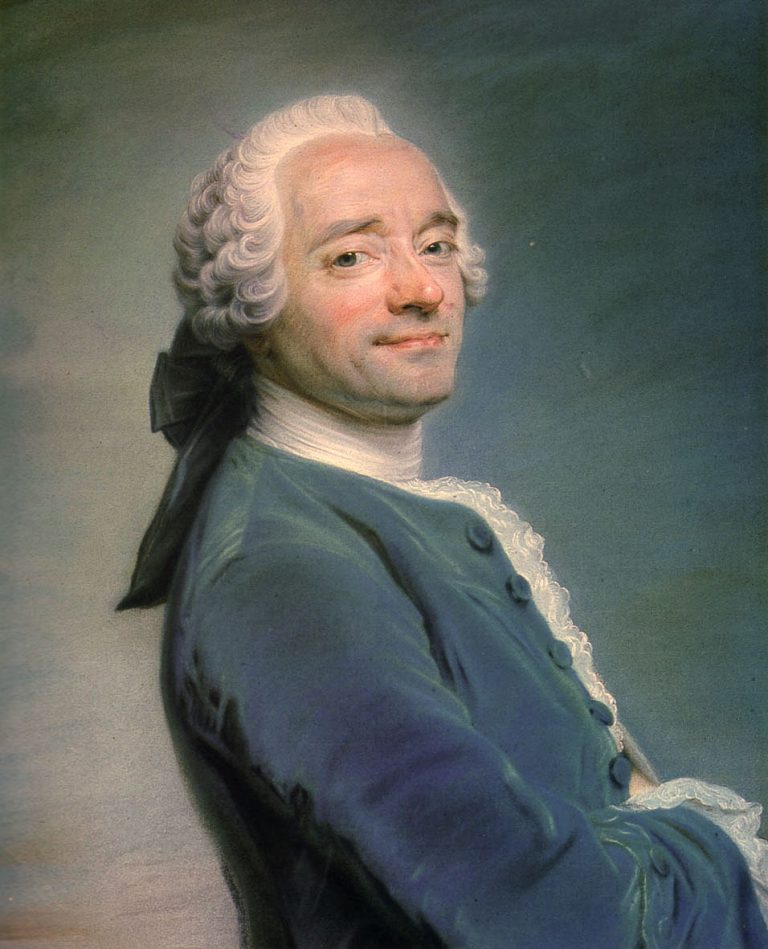
Meanwhile, upper-class beauty standards moved in the opposite direction. Men abandoned beards, powdered their faces, and wore elaborate wigs. Facial hair required time, tools, and help, so being clean-shaven became a mark of wealth and refinement. Extravagance focused on fashion and hairstyles rather than natural hair.
Maurice Quentin de La Tour, Self-portrait with frill, c.1750
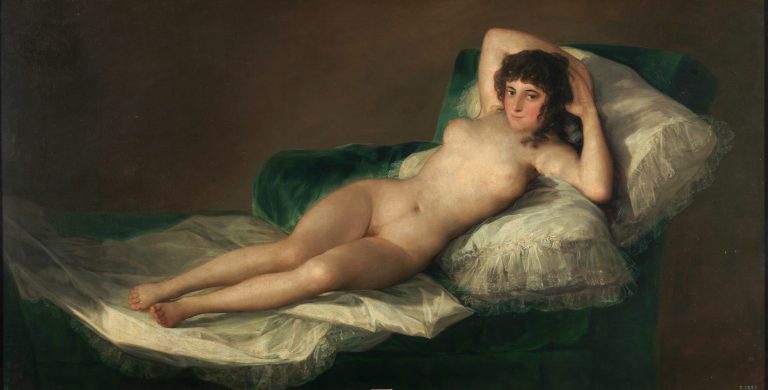
La maja desnuda, painted alongside La maja vestida, is one of the first nudes to clearly show pubic hair.
Francisco Goya, The Naked Maja, c. 1797-1800
19TH CENTURY: A TOUCH OF ECCENTRICITY
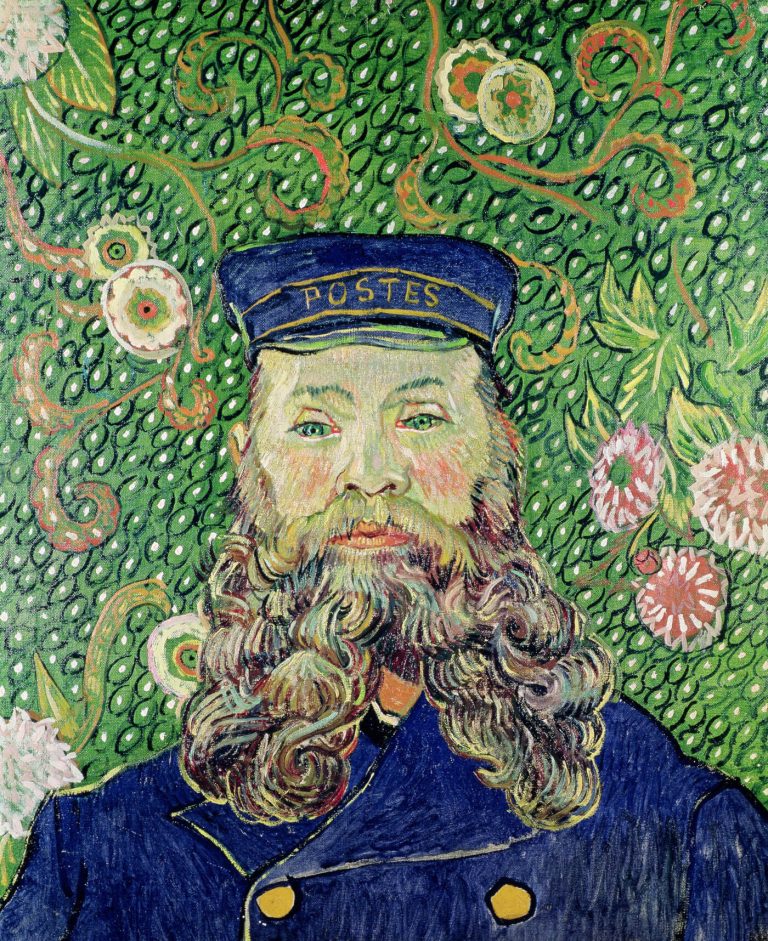
Here, things get intense. In big cities, male grooming became an art form. Mustaches were curled, waxed, brushed, and styled with incredible precision. But in rural areas, people kept more practical habits, like Van Gogh’s friend Joseph Roulin and his full beard.
Vincent van Gogh, Portrait of the Postman Joseph Roulin, 1889
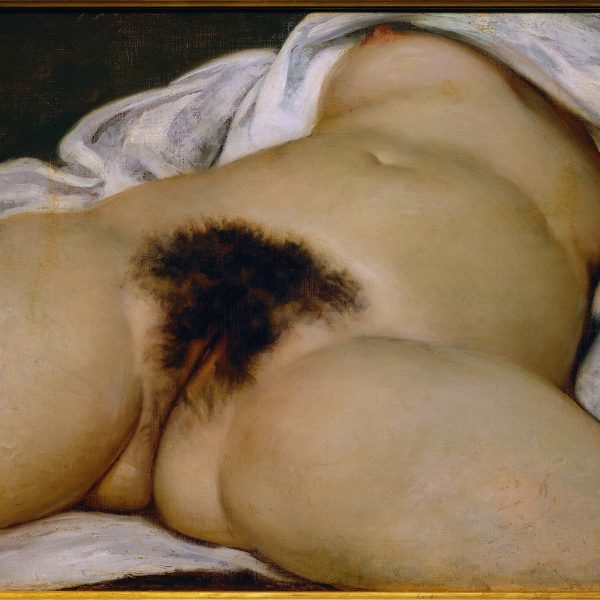
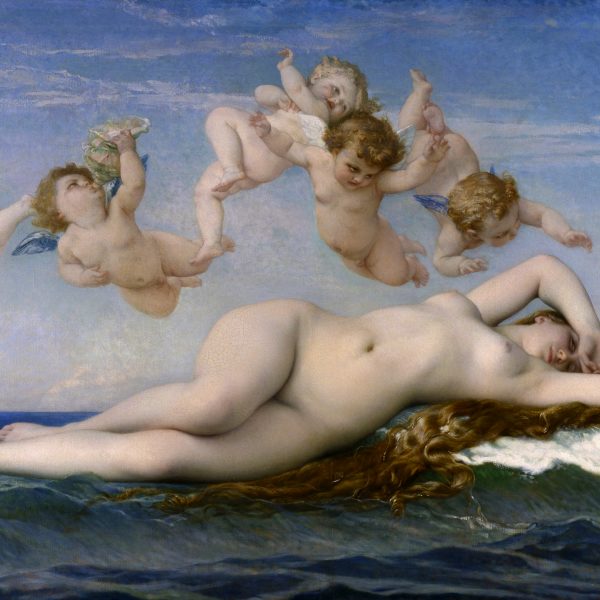
For women, however, one painting changed everything: Gustave Courbet’s The Origin of the World. Its explicit realism caused an enormous scandal. Unlike Alexandre Cabanel’s idealized Venus, Courbet’s painting was raw, direct, and unfiltered. It forced the public to face the reality of the female body, hair included.
Gustave Courbet, The Origin of the World, 1866
Alexandre Cabanel, The Birth of Venus, 1863
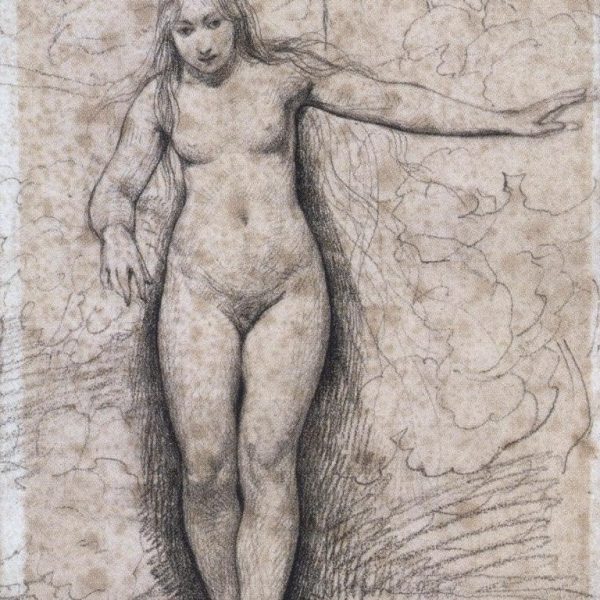
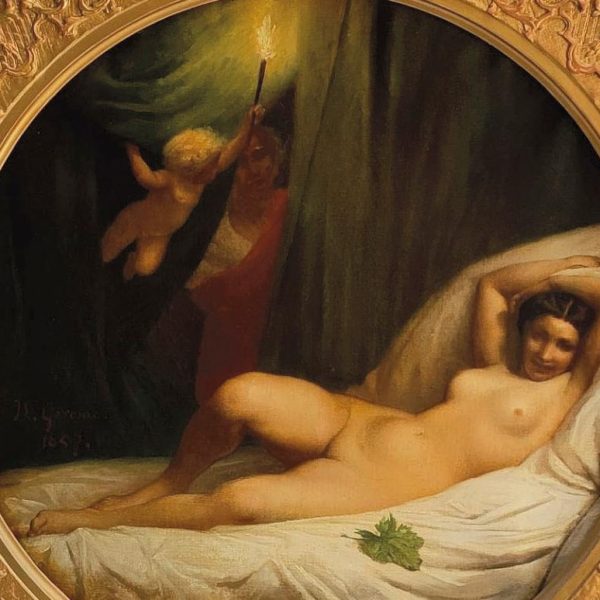
This era also shows how context affects representation. Sketches and studies often show pubic hair because they aim for realism. Final paintings for the public often removed it entirely to meet social expectations.
Jean-Léon Gérôme, Study of a female nude, 1861
Jean-Léon Gérôme, L’Épouse du roi Candaule, 1857
20TH CENTURY: SEXUAL LIBERATION, REBELLION, AND ICONS
This century completely reshaped the conversation.
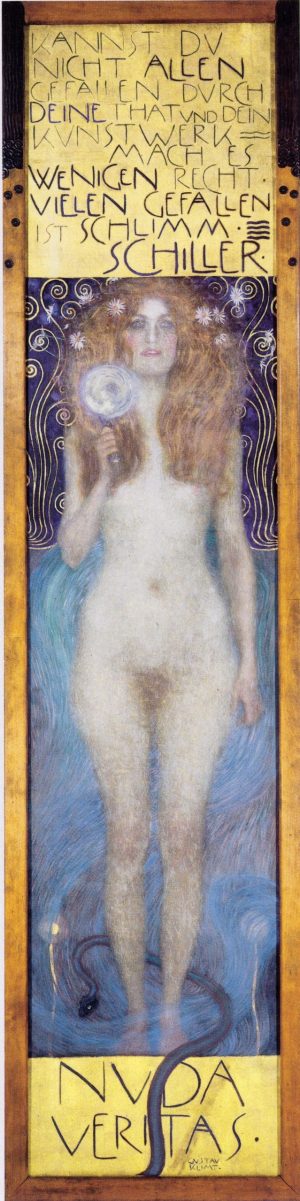
Gustav Klimt shocked Vienna with Nuda Veritas, where red pubic hair takes center stage. For Klimt, fidelity to nature was more important than modesty.
Gustav Klimt, Nuda Veritas, 1899
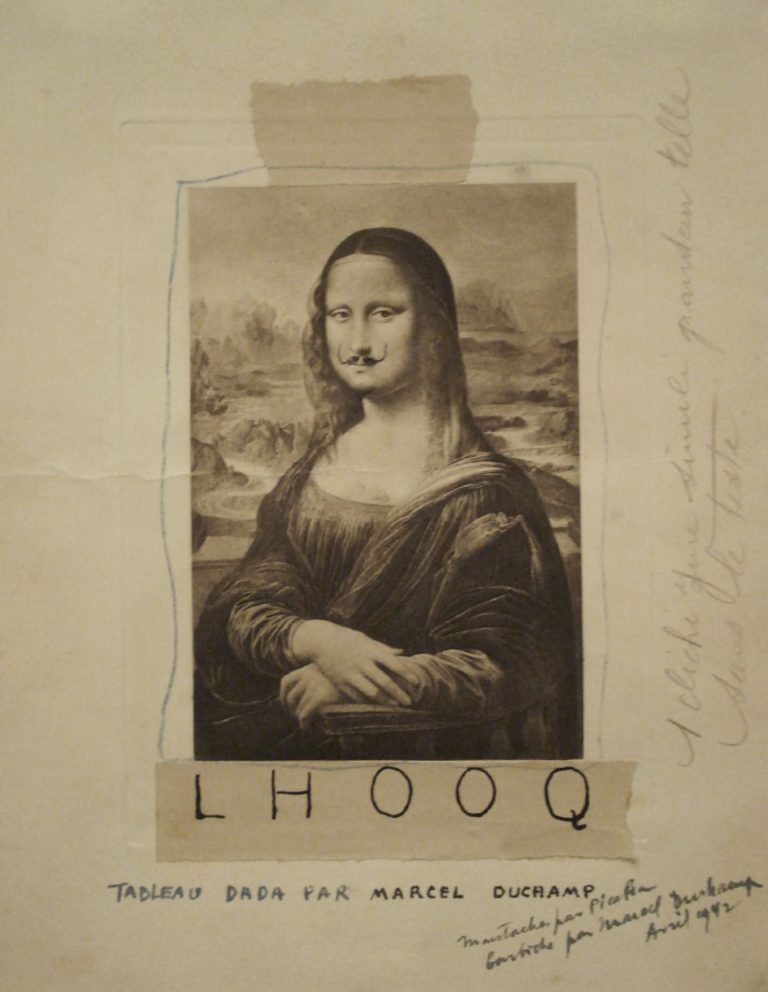
Marcel Duchamp scribbled a mustache on the Mona Lisa, creating L.H.O.O.Q with a provocative pun that mocked both art history and social norms.
Marcel Duchamp, L.H.O.O.Q, 1919
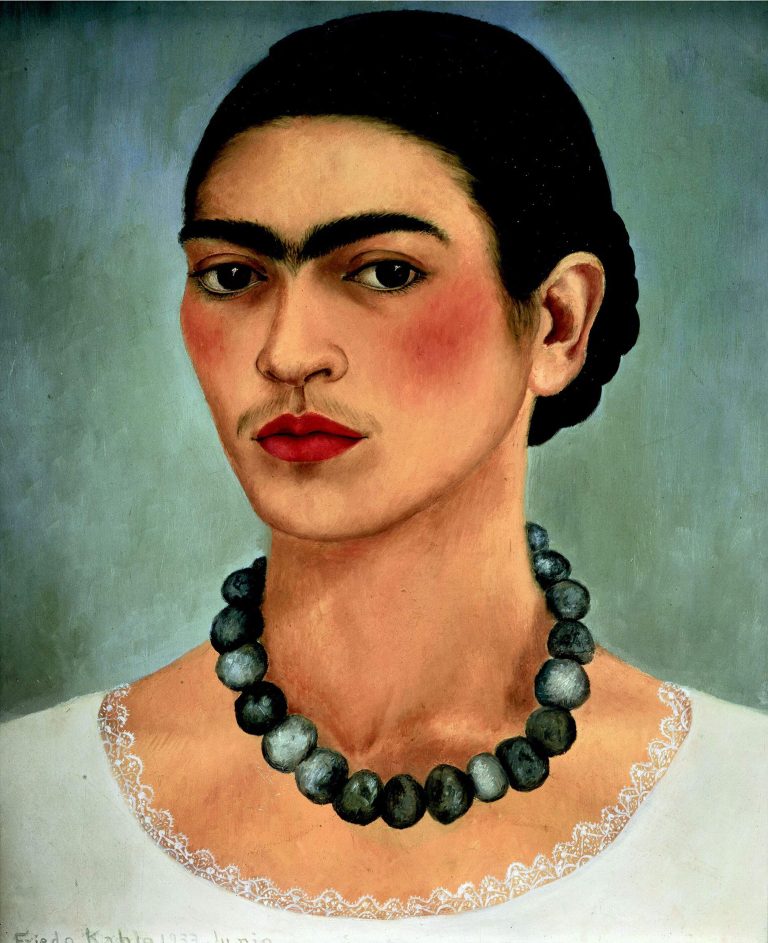
Frida Kahlo turned her unibrow and faint mustache into personal symbols of identity and rebellion. She used her natural hair to challenge beauty standards and express her bisexuality, pain, and defiance.
Frida Kahlo, Self-portrait with necklace, 1933
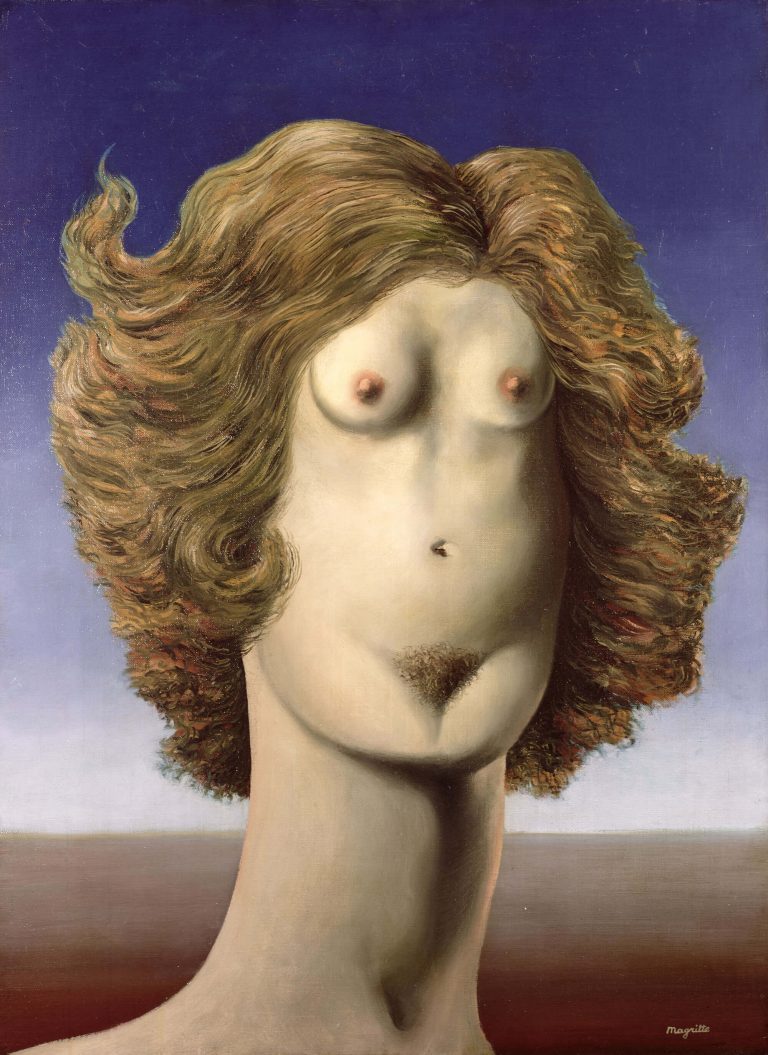
Surrealist artists also pushed boundaries. Magritte’s The Rape used the human body in unsettling ways, blurring faces and sexual features to provoke strong reactions. Dalí, meanwhile, turned his mustache into a personal brand, sculpting his public image as carefully as his paintings.
René Magritte, The Rape, 1934
CONTEMPORARY TIMES: DIVERSITY AND NEW BEAUTY STANDARDS
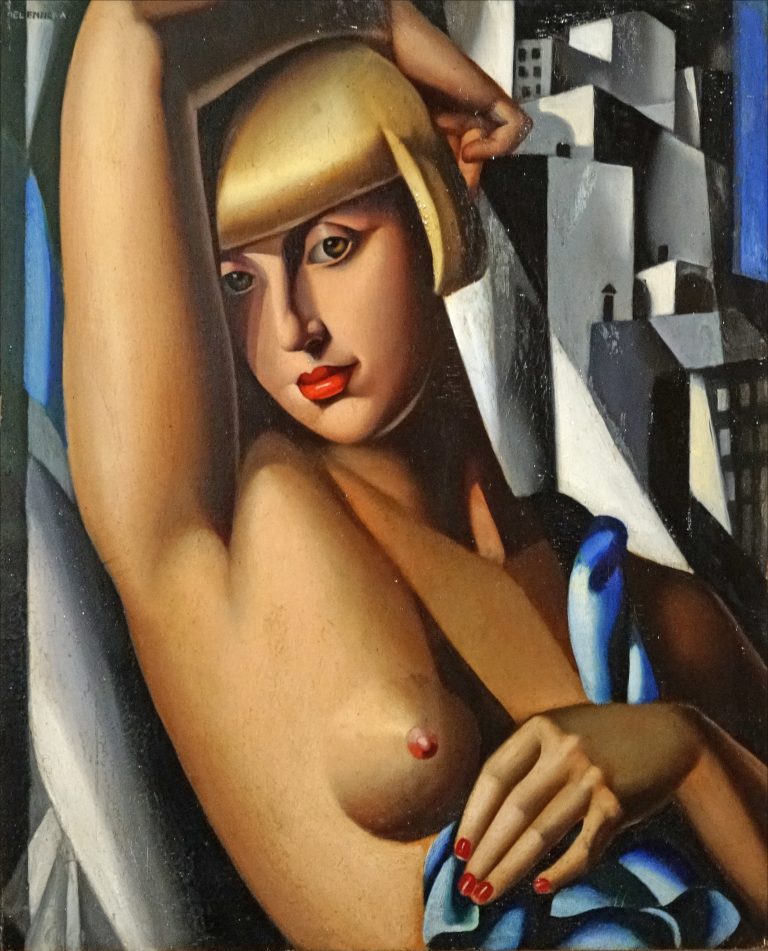
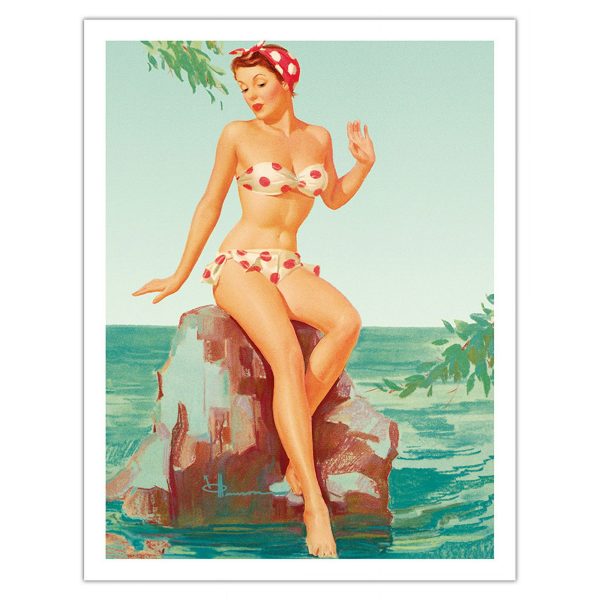
In the 1920s and 30s, flapper fashion showed more skin, but hair removal wasn’t a strong norm. After World War II, smooth skin became a standard for women thanks to Hollywood and modern razors.
Tamara de Lempicka, Suzy Solidor, 1935
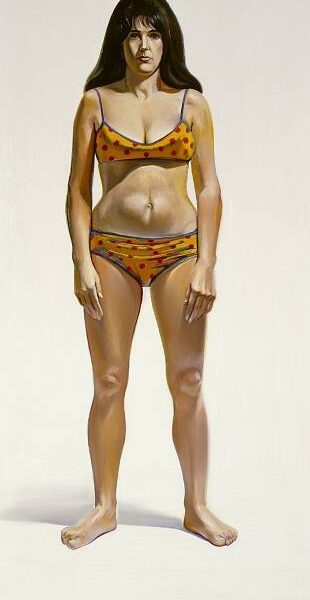
The 60s and 70s brought the sexual revolution. Feminists argued fiercely about hair removal, some rejecting it entirely, others embracing it as a personal choice. Men experimented with long hair and beards, though grooming the body remained limited.
Knute O. Munson, Pin Up Girl in Polka Dot Bikini Poster, c.1940
Wayne Thiebaud, Bikini, 1964
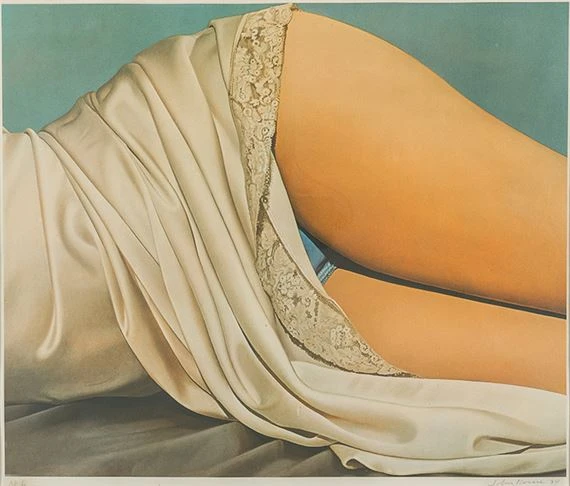
In the 80s, the hairy male chest became an icon of virility. Women were still expected to be smooth.
John Kacere, Untitled, 1974
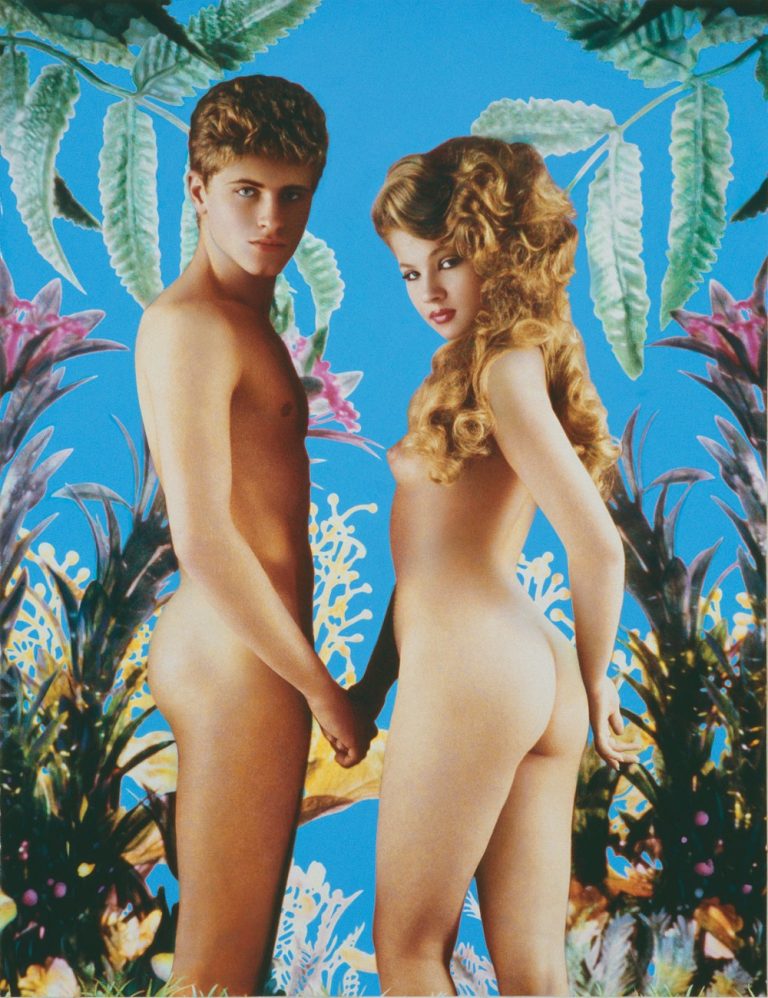
Then the 90s and 2000s changed everything: media and pornography pushed the idea that women should be entirely hairless. Men started trimming or removing hair too. Laser technology made permanent hair removal more accessible.
Pierre et Gilles, Adam and Eve, 1981
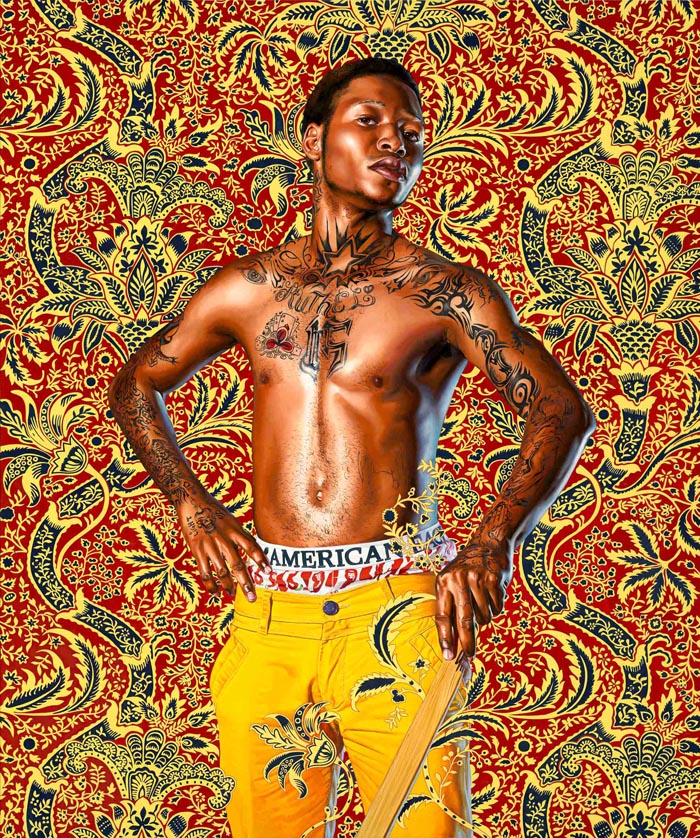
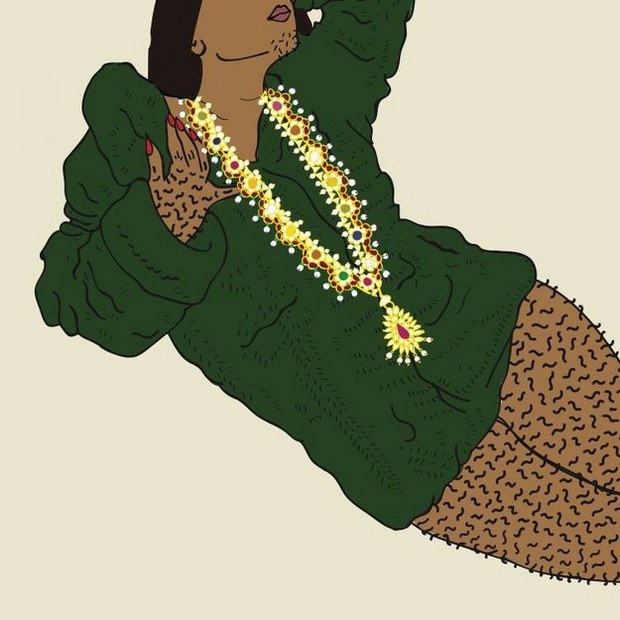
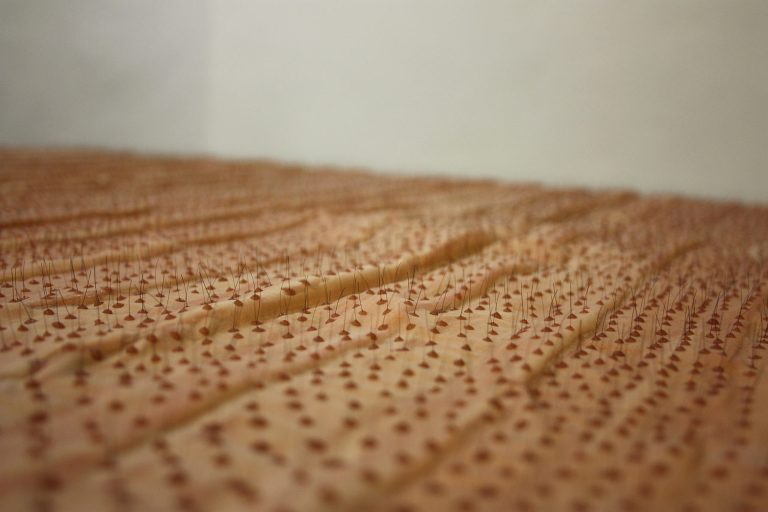
Since 2010, the debate has opened up again. Some embrace natural hair, others prefer grooming, and both choices coexist. Artists now use hair symbolically or even as a raw material to question identity, gender, and body norms.
Kehinde Wiley, Prince Albert, Prince Consort of Queen Victoria, 2013
Ayka Khan, Untitled, c.2015
Zuhra Hilal, Surface, 2018
In the End...
Through centuries, body hair has meant everything and its opposite. It has represented power, purity, rebellion, desire, spirituality, and scandal. Art reflects all these layers, offering us a timeline of shifting values.
Today, more than ever, the goal is simple: that everyone feels free to choose what they want to do with their own body, without pressure or judgment.
So… what about you? Have you ever spotted your sign in a painting, a sculpture, or even a mural? Let me know in the comments — and don’t forget to check out the full video on YouTube for even more celestial artworks and hidden stories.
Sources
Books
Symboles et Allégories, Hazan
Le Petit Larousse des symboles
Marie-Louise Winbladh, The Bearded Goddess: Androgynes, Goddesses and Monsters in Ancient Cyprus, Armida Publications, 2012